

All You Need to Know About Folding Container Homes
Dec. 05, 2025
They’re not just a quick and inexpensive way to build a home; they’re actually much more versatile and durable than you might think. Keep reading to learn everything you need to know about folding container homes!
What Is a Folding Container Home?
A folding container home is a type of housing that folds up into a box. While this concept has existed for years, it has only recently gained more attention.
Folding container homes are becoming a major trend in home construction. They’re a mix between a traditional house and a shipping container, offering many of the same benefits.
Although the idea of folding container homes isn't new, its popularity has risen in recent years due to their affordability and adaptability.
These homes are designed to be easy to move, transport, and assemble. They can be customized in various sizes and shapes, depending on your needs.
The Purpose of Folding Container Homes
Folding container homes serve a variety of purposes, including:
Home Construction
These homes are ideal for building new residences or repairing existing ones. Their lightweight design means you don’t need heavy machinery, like cranes, to lift them into position. They are also quick to set up, allowing you to start your project without waiting for permits or approvals. On construction sites, folding container homes can be used as temporary structures for workers. These homes enable construction teams to complete their work efficiently and with consistent quality, all within a shorter time frame.
Rental Property
Folding container houses are also perfect for temporary housing for renters who need an affordable and secure place to stay while they search for a permanent home. This setup can provide homeowners with an additional stream of passive income through short-term rentals. From a business perspective, folding container homes offer opportunities for entering the travel industry, where they can be rented out to travelers seeking a unique and affordable lodging option.
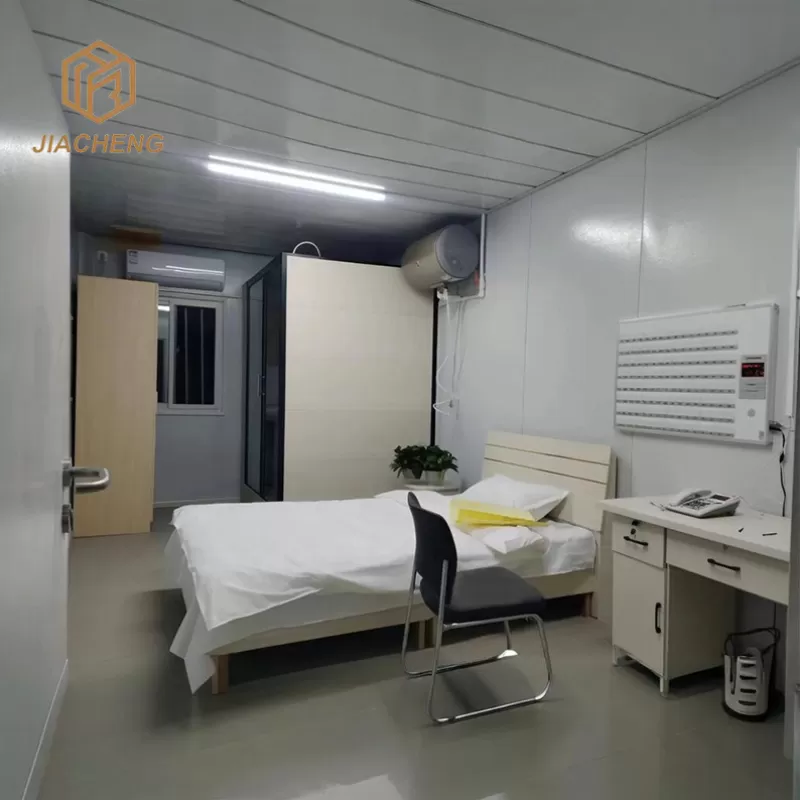
The Different Types of Folding Container Homes
There are various types of expandable container homes, each suited to different needs and budgets.
The Fold-Up House
This is the most basic and affordable type of container home. It can be folded into a compact box and easily transported on a truck or trailer to its new location. Its simplicity makes it quick to build and budget-friendly.
The Pop-Up House
A pop-up container home can be opened in under five minutes and made ready for living within a few days. It's an excellent choice for those who want to build their own home but lack the time or resources for a traditional build. Due to its minimalist design and versatility, pop-up homes are ideal for narrow spaces or remote areas. They are also a cost-effective solution for singles, retirees, home office workers, or anyone looking for an investment property to generate passive income.
The Tilt-Up House
Similar to pop-up homes, tilt-up houses open like a book. However, they have additional hinges that allow them to tilt down into place when access is needed. Tilt-up construction involves pouring concrete slabs or panels horizontally on the ground. After they harden, a crane lifts and positions them vertically to form the building's walls, which are then set onto prepared foundations.
The Mobile Home or Travel Trailer
Mobile homes or travel trailers are semi-permanent, semi-mobile structures that are commonly used in trailer parks, particularly in the United States. These factory-built homes are designed for travel, and once production is complete, they are transported to their destination. Fully equipped with plumbing, wiring, insulation, and more, mobile homes offer the convenience of a home on the move.
What Are Folding Container Homes Made of?
Folding container homes are primarily constructed using steel tubular frames and corrugated panels. These panels are secured to the frame with high-strength bolts and welds, ensuring stability and durability. These steel containers are versatile and can be stacked or placed directly on the ground, making them suitable for a variety of environments.
All collapsible container homes share a common structure, composed of three main components that fold into a compact package:
The Frame
Typically made from steel or aluminum, the frame serves as the backbone of the home, providing support for the walls and roof. This is where all the structural integrity of the home is concentrated.The Shell
The shell is made from either wood or lightweight plastic panels, forming the walls and floors of the home. These panels offer insulation and weatherproofing, helping to maintain a comfortable interior environment.The Shell Door
The shell door provides access to the home, allowing entry and exit from both sides. In some designs, these doors can also function as windows, letting in natural light during different times of the day. If desired, these doors can be designed to accommodate solar panels, adding an eco-friendly feature to the home.
The Pros of Building a Container Home
There are several key reasons why people are drawn to container homes:
Lower Cost
Building a container home is much more affordable than constructing a traditional house. Manufactured container homes are less expensive because they are produced in specialized factories off-site, which reduces labor hours and travel costs. This makes them an ideal option for those on a budget.Space and Energy Efficiency
Container homes take up very little space, which results in lower energy bills. Their compact size and ability to be retrofitted with insulation make them energy-efficient, saving money on heating and cooling. Additionally, their small footprint makes them a viable housing option for those with limited land.Low Maintenance
Container homes require less maintenance compared to traditional homes. They are eco-friendly by design, as they repurpose shipping containers without the need for deforestation. This makes them easier to maintain than typical wooden homes, which are often more labor-intensive.Customization and Versatility
Container homes can be highly customized, offering a range of options for off-grid living, luxury setups, or commercial community projects. They are adaptable to various needs and preferences.Minimal Site Impact
Because container homes are prefabricated off-site, their construction has minimal impact on the building site. This reduces the need for time-consuming labor and minimizes noise, waste, and site disturbance. Their compact, foldable design also reduces transportation trips, further reducing disruptions.Durability and Long-Term Use
Once installed, folding container homes provide a strong, permanent structure. They are an excellent alternative for long-term housing without the commitment to a conventional concrete home.Environmental Friendliness
Container homes are environmentally friendly as they repurpose used shipping containers, reducing waste and the demand for new materials. Their off-site manufacturing minimizes construction waste and energy use. Additionally, the compact design lowers transportation emissions, while the quick installation process reduces energy consumption and environmental disturbance during construction.
The Average Price Range for Folding Container Homes
The typical price range for expandable container homes falls between $20,000 and $50,000. There are more affordable options available, as well as higher-end models. The price depends on factors such as the materials used, the number of people the home is designed to accommodate, and whether you opt for customization.
Final Thoughts
As you can see, folding container homes come in various shapes and sizes. They offer affordable housing, a customizable living space, and minimal environmental impact. However, depending on your location and the number of containers you wish to incorporate into your home, costs can vary and may become expensive. It's important to do thorough research before making a final decision.
161
0
0
Comments
All Comments (0)